Brian Anthony, PhD
Mechanical Engineering and IMES, MIT
Brian Anthony, PhD
Mechanical Engineering and IMES, MIT
Dr. Anthony is Director of MIT’s Master of Engineering in Manufacturing Program, Co-Director of the Medical Electronic Device Realization Center, and Deputy Director for the MIT Skoltech Initiative. With over 20 years experience in product realization—Dr. Anthony won an Emmy (from the Academy of Television Arts and Sciences) in broadcast technical innovation—Dr. Anthony designs instruments and techniques to monitor and control physical systems. His work involves systems analysis and design and calling upon mechanical, electrical, and optical engineering, along with computer science and optimization, to create solutions.
The focus of Dr. Anthony’s research is in computational instrumentation—the design of instruments and techniques to measure and control complex physical systems. His research includes the development of instrumentation and measurement solutions for manufacturing systems and medical diagnostics and imaging systems. In addition to his academic work, he has extensive experience in market-driven technology innovation, product realization, and business entrepreneurship and commercialization at the intersection between information technology and advanced manufacturing. His teaching interests include the modeling of large-scale systems in a wide variety of decision-making domains and the development of optimization algorithms and software for analyzing and designing such systems. He has extensive experience in market driven technology innovation as well as business entrepreneurship.
Thomas F. Burke, MD
Vayu Global Health Innovations | Harvard Medical School and Chan School of Public Health
Thomas F. Burke, MD
Vayu Global Health Innovations | Harvard Medical School and Chan School of Public Health
Thomas F. Burke, MD, FACEP, FRSM is Director of the Global Health Innovations Lab in the Department of Emergency Medicine at the Massachusetts General Hospital (MGH) and Associate Professor at Harvard Medical School and the Harvard T.H. Chan School of Public Health. After graduating from Albany Medical College in 1989 he completed his residency in emergency medicine at Madigan Army Medical Center Fort Lewis, WA. Dr. Burke spent 7 ½ years in the US Army and over that time was deployed with the Light Infantry as well as the 2nd Ranger Battalion. Dr. Burke was a tactical physician for the FBI Hostage Rescue Team at both the hostage incidents in Waco Texas and Ruby Ridge Idaho. On September 11, 2012 Dr. Burke was in Benghazi, Libya when Ambassador Stevens lost his life.
Dr. Burke’s innovations research experience spans 25 years. Over that time he has pioneered several award-winning scientific advances and translated them into policy and practice; and since 2004 the majority of his work has focused on maternal, newborn, and infant survival. Dr. Burke has led a research program focused on postpartum hemorrhage for the past 10 years and co-chairs the International Federation of OBGYN working group on postpartum hemorrhage. Dr. Burke has authored of over 120 scientific manuscripts and is often invited to speak at high profile forums and leading universities around the globe. Dr. Burke is a senior faculty of the Harvard University Center for African Studies and an active member of the Harvard Medical School Admissions Committee. On June 3, 2019, in a joint UK and India government ceremony in the House of Lords, Dr. Burke was bestowed the title, “Lord of the Planet in Medical Sciences”. Dr. Burke has opened several film festivals and has been profiled for his work by BBC, NPR, FOX Television, ABC, CBS, the London Financial Times, the New Yorker, the Seattle Times, and the Boston Globe, among other news outlets. Dr. Burke is senior advisor to Harvard College’s COVID-19 Task Force on Domestic Violence and Global Alliance for Medical Innovation.
Pedro J. del Nido, MD
Boston Children's Hospital
Pedro J. del Nido, MD
Boston Children's Hospital
Dr. del Nido was born in Santiago, Chile and emigrated to the U.S. at the age of 10. He attended undergraduate and medical school at the University of Wisconsin-Madison. He completed a General Surgery internship and residency at Boston University and entered Cardio-Thoracic residency at the University of Toronto.
Prior to starting his clinical training, he spent a year in the laboratory at the Banting Institute of the University of Toronto. It was there that Dr. del Nido began his initial work on myocardial preservation, a focus of research that he continued through his residency and early career in congenital cardiac surgery. Dr. del Nido spent an additional year as a clinical fellow at the Hospital for Sick Children-Toronto.
Dr. del Nido started his career at the University of Illinois-Chicago and then moved to the University of Pittsburgh, where the development of a solution to preserve the heart during prolonged heart surgery was completed. This solution, now known as “del Nido cardioplegia” is one of the most widely used cardioplegia formulations throughout the world. In 1994 Dr. del Nido joined the faculty at Boston Children’s Hospital and Harvard Medical School. He rose to the rank of Professor of Surgery and in 2004 was named William E. Ladd Professor of Child Surgery at Harvard Medical School and Cardiac Surgeon-in-Chief at Boston Children’s Hospital.
Dr. del Nido’s clinical focus has been on creating reconstructive techniques for complex congenital heart defects. Recently, recognizing the large unmet need, Dr. del Nido has worked to develop cardiac medical devices designed for the needs of growing children. This effort has led to a novel growth-accommodating heart valve that is now in clinical trials. He has received NIH funding throughout his career, has over 500 peer-reviewed publications, and over 50 awarded and pending patents.
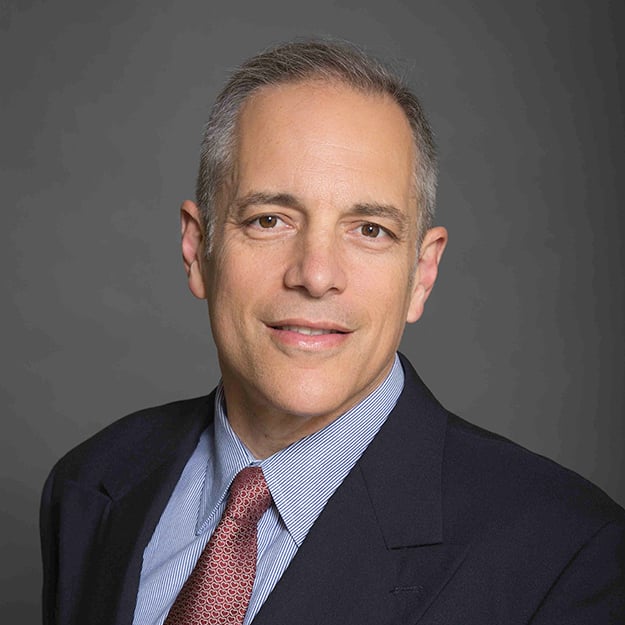
Elazer R. Edelman, MD, PhD
Hood Hub & IMES, MIT | Harvard Medical School | BWH
Elazer R. Edelman, MD, PhD
Hood Hub & IMES, MIT | Harvard Medical School | BWH
Elazer R. Edelman is the Edward J. Poitras Professor in Medical Engineering and Science at MIT, where he directs the Center for Clinical and Translational Research (CCTR), and is the former director of IMES. He is also Professor of Medicine at Harvard Medical School, and a cardiac intensive care unit cardiologist at the Brigham and Women’s Hospital (BWH) in Boston.
Edelman received Bachelor of Science degrees in Electrical Engineering and Computer Science and in Applied Biology, Master of Science Bioelectrical Engineering and Ph.D. in Medical Engineering and Medical Physics from MIT, and M.D. degree from Harvard Medical School. Graduate work with Robert Langer defined the mathematics of regulated drug delivery systems. After internal medicine training and clinical fellowship in Cardiovascular Medicine at BWH he was Research Fellow in Pathology at Harvard Medical School with Morris Karnovsky investigating the biology of vascular repair.
His research interests meld medical and scientific training leveraging pathophysiologic insight to improve clinical decision-making and device design. Studies of endothelial and vascular biology led to discovery of the mutable dynamic of endothelial state and importance in regulation of vascular diseases and cancer. His group reasoned that optimal control of biologic events recapitulated natural regulation. Hence, polymeric controlled drug delivery systems should mimic natural release and vascular implants devised with intimate knowledge of injury they induce. Perivascular and stent-based drug delivery, mechanical organ support and percutaneous heart valves are examples of the former, and therapeutic tissue engineered endothelial cell constructs of the latter.
More than 350 students and fellows have passed through Edelman’s laboratory publishing over 900 scientific articles and 90 patents.
Edelman is fellow of American College of Cardiology, American Heart Association, Association of University Cardiologists, American Society of Clinical Investigation, American Institute of Medical and Biological Engineering, American Academy of Arts and Sciences, National Academy of Inventors, National Academy of Medicine, and National Academy of Engineering. As Chief Scientific Advisor of Science: Translational Medicine he has set the tone for the national debate on translational research and innovation. As co-founder of ASTM F04.03 he helped create standards for cardiovascular implants. He served on FDA’s Science Board and as an ORISE fellow, FDA EIR. For bringing cardiovascular translational research to an international level of excellence the Spanish Parliament and King awarded Edelman the Spanish Order of Civil Merit. Most importantly, Elazer is an avid ice hockey goalie, and with his wife Cheryl parents to comedian-writer Alexander, Olympic athlete AJ, and Austin.

Barry Finette, PhD, MD
ThinkMD | University of Vermont College of Medicine
Barry Finette, PhD, MD
ThinkMD | University of Vermont College of Medicine
Dr. Barry Finette is a professor of pediatrics, microbiology, and molecular genetics at the University of Vermont College of Medicine and an attending and teaching physician in the Pediatric Inpatient and Critical Care Division at the University of Vermont Medical Center’s children’s hospital. He is also the co-founder and president of THINKMD, PBC and has over 35 years of experience as a pediatrician. He has participated in numerous research, medical global health and humanitarian projects, as well as capacity building and disaster relief missions in multiple countries.
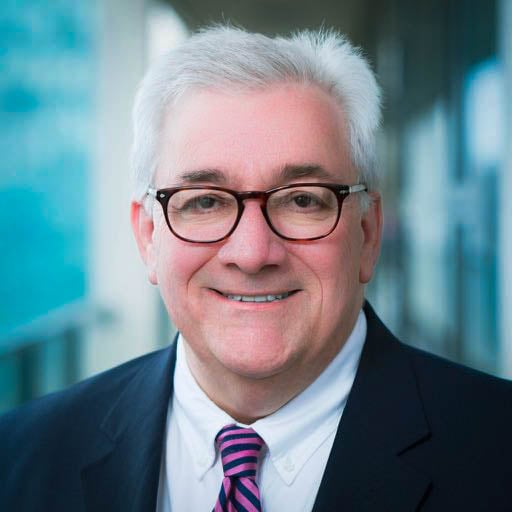
Joseph J. Frassica, MD
Hood Hub & IMES, MIT | MGH
Joseph J. Frassica, MD
Hood Hub & IMES, MIT | MGH
Joseph J. Frassica, MD serves as Professor of the Practice in the Institute for Medical Engineering and Science at MIT. He is also a member of the teaching and research staff of the Massachusetts General Hospital (Pediatric Critical Care) and serves as Pediatric Editor for the Journal of Intensive Care Medicine.
Dr. Frassica has served in multiple academic and industrial leadership roles. Most recently, Joe served as the Head of Philips Research for the Americas as well as Chief Medical Officer for Philips - North America. Prior to this appointment, Dr Frassica served as Chief Technology Officer, Chief Innovation Officer and Chief Medical Officer for Philips Connected Care and Healthcare Informatics Division. In these roles, Dr Frassica contributed significant clinical and technical insights to guide the advancement of highly distributed patient monitoring, alarm management and therapeutic devices including patient ventilators and defibrillators. At Philips research, Dr Frassica and his Cambridge Lab team focused on the use of large-scale, high-resolution data to develop AI/ML-based predictive models, Clinical Decision Support, imaging analytics, interventional guidance and bacterial genomics. Under Dr. Frassica’s leadership the lab successfully leveraged several of these predictive models and algorithms into products including
- A health system command center product aimed at improving health systems operational efficiency by incorporating real-time physiologic insight with operational awareness. Multiple predictive algorithms underly the decision support that delivers this product’s operational insight
- A real-time, cloud-based analytics platform. This platform powers a real-time ICU CDS and visualization system and is now part of the Philips Reference Architecture
- A molecular epidemiology system consisting of a platform combining bioinformatics and advanced genomic analysis with clinical informatics data. This system is focused on detection and elimination of Hospital Acquired infection and antibiotic stewardship.
Dr. Frassica has also served in multiple leadership roles in academic medicine including: Chief Medical Officer at Holtz Children’s Hospital in Miami, Florida; Chief Medical Information Officer and Executive Medical Director of Aero-Medical Transport for Miami’s Jackson Health System; and Associate Chair for Clinical Affairs in the Department of Pediatrics and Professor of Clinical Pediatrics and Anesthesiology at the University of Miami, Miller School of Medicine; Chief of Pediatric Critical Care at UMASS/Memorial Medical Center and Associate Clinical Professor of Pediatrics and Anesthesiology at University of Massachusetts Medical School; Attending Pediatric Intensivist at Massachusetts General Hospital; Attending Anesthesiologist at the Massachusetts Eye and Ear Infirmary and Chief of Anesthesia at Franciscan Children’s Hospital in Boston.
Dr. Frassica received his Bachelor’s degree in Biology from the University of Massachusetts/Boston, his Doctor of Dental Surgery degree from Case Western Reserve University and his Medical Degree from the Boston University School of Medicine. Dr. Frassica completed residencies in Anesthesiology and Pediatrics at the Boston Medical Center (Boston City Hospital)/Boston University and completed a Fellowship in Pediatric Critical Care at the Massachusetts General Hospital/Harvard Medical School.
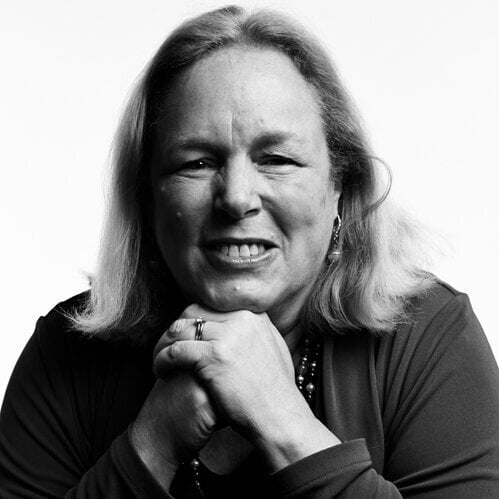
Martha L. Gray, PhD
MIT linQ
Martha L. Gray, PhD
MIT linQ
Dr. Gray has a multifaceted career in which she has built programs to drive biomedical technology innovation, conducted research to better understand and prevent osteoarthritis, led a preeminent academic unit, and served the profession through work with organizations and institutions. Trained in computer science and electrical and biomedical engineering, and serving as an MIT faculty for three decades, she has held numerous leadership positions. For 13+ years, she directed the Harvard-MIT Division of Health Sciences and Technology (HST), an academic unit with multiple research and training programs for careers in medicine, business, and research. Dr. Gray currently directs MIT linQ which operates several multi-institutional ventures focus on accelerating and deepening early-career researchers’ potential for impact. Over the course of these efforts, she and her team have established a principled methodology for needs identification and opportunity development, and an organizational model that fosters a vibrant multi-stakeholder community necessary for sustained local and global impact.
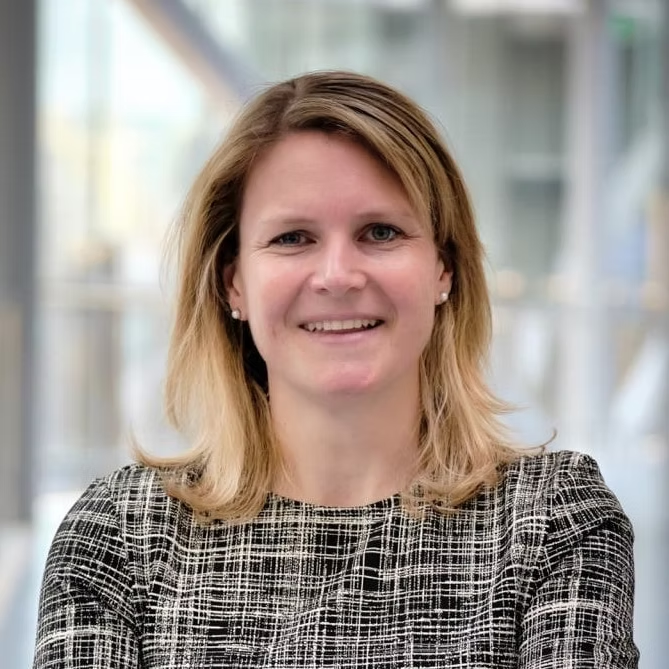
Sophie-Charlotte Hofferberth, MD
Autus Valve Technologies Inc.
Sophie-Charlotte Hofferberth, MD
Autus Valve Technologies Inc.
Dr Sophie-Charlotte Hofferberth is Co-founder, President and Chief Medical Officer of Autus Valve Technologies, Inc. As a post-doctoral research fellow in the Department of Cardiac Surgery at Boston Children’s Hospital, Dr Hofferberth led the conception, design and development of the novel Autus Size-Adjustable Valve technology. Dr Hofferberth designed and led the pre-clinical bench and animal studies that culminated in FDA approval for a U.S Early Feasibility Study and the first-in-human Autus Valve implant. Under Dr Hofferberth's leadership, the Company successfully completed the U.S Early Feasibility Study, obtained FDA Breakthrough Device Designation and received unconditional FDA approval to conduct the U.S Pivotal Study.
Dr Hofferberth received her medical degree from the University of Melbourne Medical School and she is a cardiothoracic surgery resident at Brigham and Women’s Hospital, Harvard Medical School. Dr Hofferberth has taken a leave of absence from her surgical training to lead the development of the Autus Valve.
David Hoganson, MD
Boston Children's Hospital
David Hoganson, MD
Boston Children's Hospital
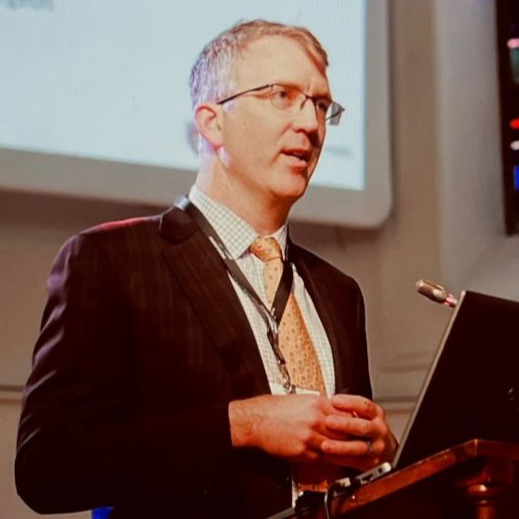
Following my training, I joined the staff at Boston Children's Hospital. My clinical focus is on neonates and children with congenital heart disease. I partner with Dr. Fynn-Thompson in the cardiac assist device and heart and lung transplant programs. Additionally I work as an intensivist in the cardiac intensive care unit. My research is focused on utilizing autologous umbilical veins as a shunt or patch material in neonates with complex congenital heart disease requiring surgery. My lab also focuses on development of devices to improve the safety and effectiveness of cardiac surgery, developing new transplant therapies and lung tissue engineering efforts to improve ECMO and oxygenator technologies.
Angela N. Koehler, PhD
MIT HEALS | Koch Institute | Broad Institute
Angela N. Koehler, PhD
MIT HEALS | Koch Institute | Broad Institute
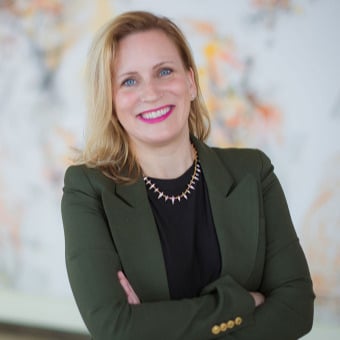
Professor Koehler earned her bachelor's degree in biochemistry and molecular biology from Reed College in 1997. In 2003, she finished her doctorate in chemistry from Harvard University and became an institute fellow at the Broad Institute, where she served as the director of transcriptional chemical biology in the Chemical Biology Program. She was also a project leader in the NCI Cancer Target Discovery and Development Center at the Broad Institute aimed at targeting causal cancer genes with small molecules. Koehler joined the Koch Institute in 2014, and was appointed faculty lead of the MIT Health and Life Sciences Collaborative in 2025. She is the director of an NCI Next-Generation Chemistry Center focused on drug discovery for cancers of childhood driven by oncofusions. Awards include being named a Genome Technology Young Investigator and a Broad Institute Merkin Fellow. She has also received the Ono Pharma Foundation Breakthrough Science Award, the Novartis Lectureship in Chemistry, the AACR-Bayer Innovation and Discovery Award, an NSF CAREER Award, and the Junior Bose Award for Excellence in Teaching.
Koehler has founded four biotecnology companies - Ligon Discovery, Kronos Bio, 76Bio, and Samori Bio. She serves on scientific advisory boards for Kronos Bio, Photys Therapeutics, and Vicinitas Therapeutics. She also advises Pfizer, Atlas Ventures, Flagship Pioneering, and Two River Ventures. The Koehler Lab has received research funding from Bayer, GSK, Janssen Pharmaceuticals, Ono Pharmaceuticals, and Pfizer. She serves on the joint steering committee for the Broad-Bayer Oncology Alliance. Finally, she serves on the board of The Engine Accelerator.
John Konsin
Prapela
John Konsin
Prapela
Brooke Krbec, DO, MS
Tufts Medical Center
Brooke Krbec, DO, MS
Tufts Medical Center
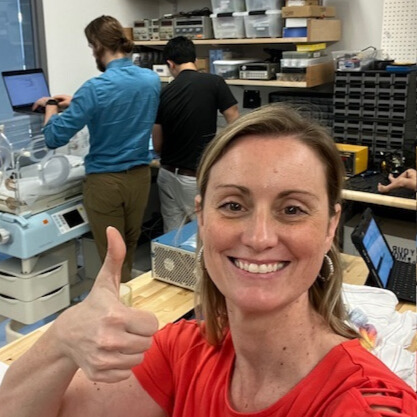
Dr. Krbec completed her residency training at Johns Hopkins University in Baltimore. She obtained her undergraduate degree in Neuroscience from Tulane University and a Master’s in Cell and Molecular Biology from the University of North Carolina. She obtained her medical degree from Lake Erie College of Osteopathic Medicine. She is interested in clinical and translational research. She is currently an attending neonatologist at Tufts Medical Center.
John O. Parker, Jr.
Hood Foundation | Springhood Ventures
John O. Parker, Jr.
Hood Foundation | Springhood Ventures
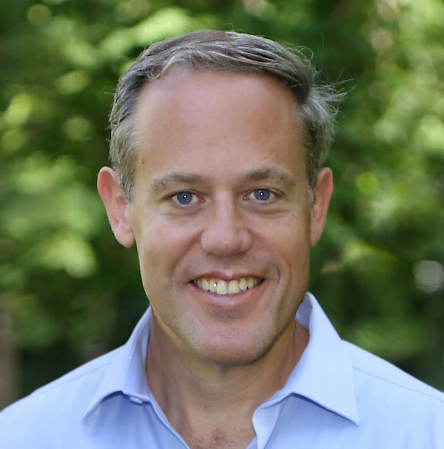
John Parker has been a Trustee of the Hood Foundation since 2009 and is especially proud of his work leading the Foundation’s program-related investment initiative, investing in early-stage companies developing important solutions for children’s health. Outside of the Foundation, John has spent most of his nearly 30-year career in the alternative investment industry, including senior roles in venture capital, private equity, and hedge funds. John has a B.A. from Dartmouth College and an M.B.A. from Dartmouth’s Tuck School of Business. He currently lives in the Boston area with his wife, Karen, and their three children.
Joshua Resnikoff
TMA Precision Health
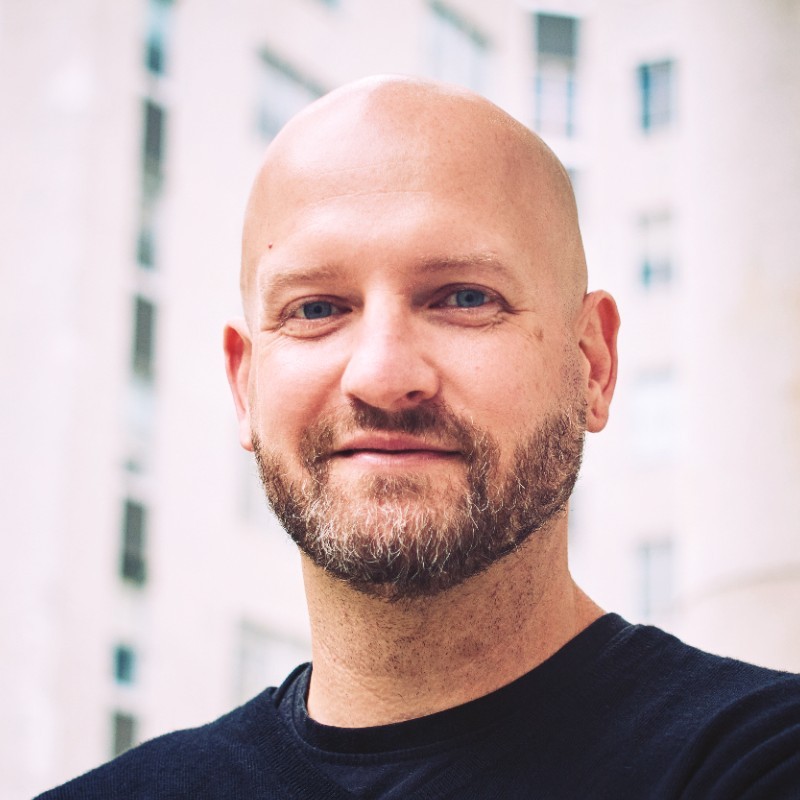
Joshua Resnikoff
TMA Precision Health
Biomedical engineer, entrepreneur and dad to a little boy with the rare syndrome PFAPA who cofounded a company on a mission to bring better healthcare to rare disease patients around the world.
Ellen Roche, MSc, PhD, BMedSci
IMES & Mechanical Engineering, MIT
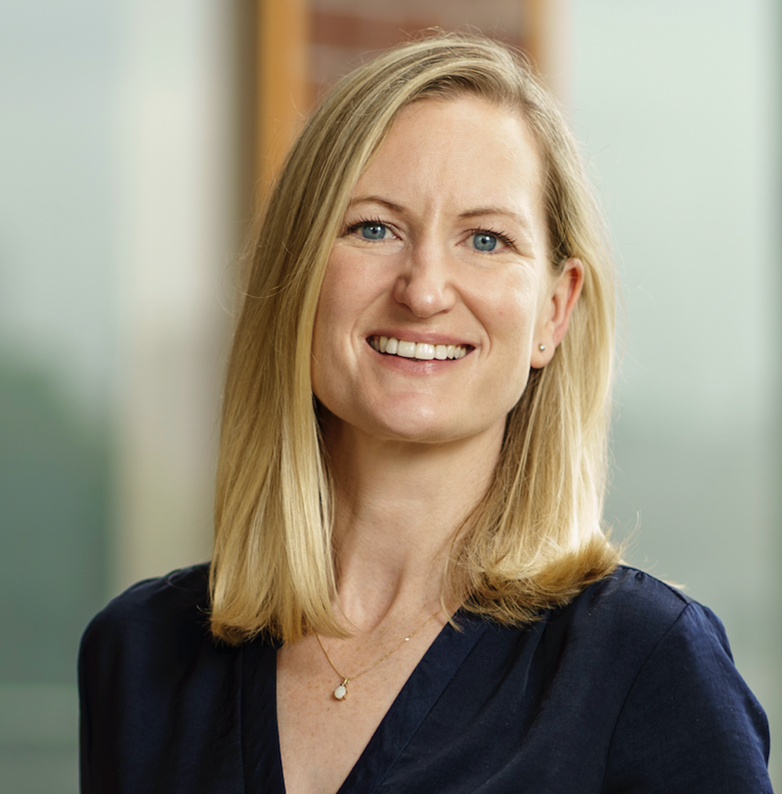
Ellen Roche, MSc, PhD, BMedSci
IMES & Mechanical Engineering, MIT
Ellen Roche received her bachelor’s degree in Biomedical Engineering from NUIGalway, Ireland and went on to work in the medical device industry (Mednova, Abbott Vascular and Medtronic) before receiving her MSc in Bioengineering from Trinity College Dublin. She completed her PhD at Harvard University under the guidance of Professor David Mooney in the Mooney Lab and Professor Conor Walsh in the Harvard Biodesign Lab.
To date her research has focused on new approaches to cardiac device design. In industry she worked on embolic carotid filters, drug eluting coronary stents and trans-aortic valve bioprosthesis delivery systems.
During her doctoral work she used soft robotic techniques to develop a bioinspired cardiac simulator (Roche et al, Advanced Materials, 2014) and, in collaboration with a team of cardiac surgeons from Boston Children’s Hospital designed an extra-cardiac compression device that can increase cardiac output in a failing heart animal model (Roche et al, Science Translational Medicine, 2017, Horvath et al, ABME, 2017 and Payne et al, Soft Robotics 2017). As well as mechanical device design, she also worked on employing biomaterials to improve cell delivery and retention to the infarcted heart (Roche and Hastings, Biomaterials, 2014, Hastings and Roche, Advanced Drug Delivery Reviews, 2015) and took the engineering lead in a multi-disciplinary collaborative team between Harvard, Boston Children’s hospital and Brigham and Women’s Hospital to design a light-reflecting catheter that can close tissue defects atraumatically (Roche and Fabozzo, Science Translational Medicine, 2015).
As a post-doctoral research fellow at the National University of Ireland Galway under the supervision of Prof. Peter McHugh, Ellen used computational methods (finite element analysis) to analyze drug release kinetics from implantable devices
She directs the Therapeutic Technology Design and Development Lab TTDD at MIT. Since the creation of her lab, she has explored the intersection of mechanical and biological therapy delivery; for examples her group has described ways to modulate immune response using dynamic actuation (Dolan et al, Science Robotics 2019) and pioneered methods for coupling a direct cardiac compression device to the heart using the native biological response (Horvath et al, Annals of Biomedical Engineering, 2019). The group has used computational modeling to characterize the transport of biological therapy from implantable devices into cardiac tissue (Shirazi et al, Advanced Healthcare Materials, 2019) , and the mechanical effect of injecting hydrogels into diseased heart tissue (Fan et al, International Journal of Numerical Methods in Bioengineering, 2019). Recently, the group have described a biorobotic hybrid heart with imaged-based biomicry that combines organic tissue with synthetic soft robotic matrices (Park et al, Science Robotics, 2020).
Robert Sege, MD, PhD
Hood Hub, MIT | Tufts School of Medicine
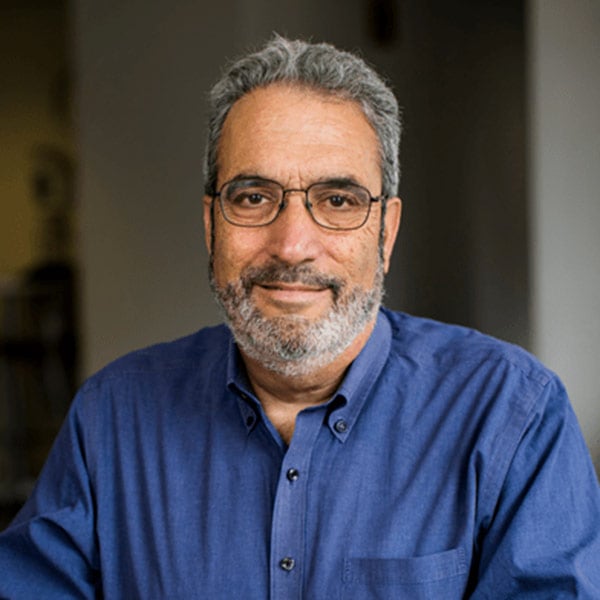
Robert Sege, MD, PhD
Hood Hub, MIT | Tufts School of Medicine
Robert Sege, MD, PhD has been working with the Hood Foundation since 2014. He is a Professor of
Medicine and Pediatrics at Tufts University School of Medicine, where he directs the Center for
Community-Engaged Medicine at the Institute for Clinical Research and Health Policy studies. Bob is nationally known for developing health systems approaches to improving the health of children and their families. He is a Senior Fellow at the Center for the Study of Social Policy in Washington and serves on the boards of the Massachusetts Children’s Trust and Prevent Child Abuse America. He also has served on national committees for the American Academy of Pediatrics and the US Centers for Disease Control and Prevention. Bob is a graduate of Yale College, received his PhD from MIT and his MD from Harvard Medical School. He lives in the Boston area, where he and his wife, Karen, have raised three young adult children.

Neil Smiley
Hood Foundation | Loopback Analytics
Neil Smiley
Hood Foundation | Loopback Analytics
Neil Smiley joined the Board of Trustees of the Charles H. Hood Foundation in 2002 and has served as President since 2013. He is the founder and CEO of Loopback Analytics, which provides software and services to improve access to life-saving specialty medications on behalf of leading academic medical centers and health systems. Neil also serves on the Board of the Carson Leslie Foundation, which seeks to advance new cures for children with Medulloblastoma.
Prior to Loopback, Neil was the founder and CEO of Phytel, a provider-led population health improvement company for more than 30 million patients. Phytel was acquired by IBM as part of the launch of Watson Health in 2015.
Neil began his professional career in management consulting with Accenture and later as a Partner with Ernst & Young, working with Fortune 1000 clients across a variety of industries.
He holds a B.A. in Computer Science from Dartmouth College. Neil lives in Dallas with his wife, Judy, and has three children, all of whom are married with kids of their own.
Alex Tan
Philips | Little Lantern Studios
Alex Tan
Philips | Little Lantern Studios
I am a visionary leader with 20+ years’ experience in leading and mentoring multi-disciplinary teams across a wide variety of domains. The combination of my creative skill, technical knowledge and business acumen allows me to bring a fresh perspective to solving challenges. I have a proven track record in developing innovative hardware and software solutions from nascent ideas to commercial reality.