

MIT-Hood 2026 Speaker Directory
Meet the clinicians, engineers, policymakers, and innovators shaping the future of pediatric healthcare.
Built for Kids: Devices and Manufacturing
Exploring how new manufacturing methods and device design are transforming pediatric medical technology.
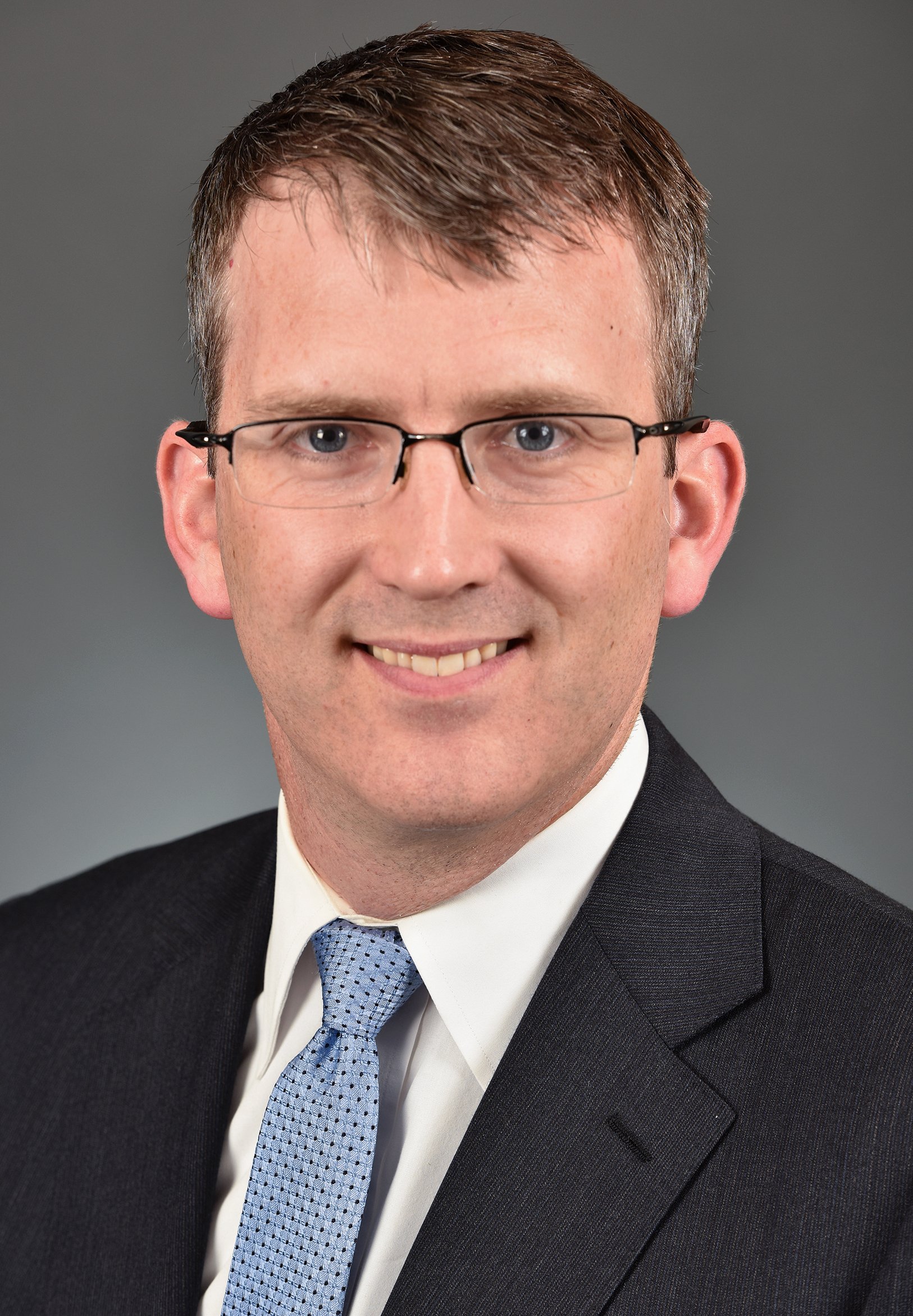

David Hoganson, MD
Assistant in Cardiac Surgery, Department of Cardiac Surgery, Boston Children’s Hospital
Assistant Professor of Surgery, Harvard Medical School
Dr. Hoganson is an Assistant in Cardiac Surgery, Department of Cardiac Surgery at Boston Children’s Hospital, and is an Assistant Professor of Surgery at Harvard Medical School.
His clinical focus is on neonates and children with congenital heart disease. He has co-lead development of patient specific 3D modeling and computational flow modeling of complex cardiac disease for improved pre-operative planning and intraoperative guidance. His lab also focuses on development of medical devices to improve the safety and effectiveness of cardiac surgery. Dr. Hoganson has a background in engineering and industry experience developing cardiovascular medical devices prior to medical school. He graduated from the Temple University School of Medicine and completed his general surgery residency and CT fellowship at the Washington University in St. Louis, and completed a congenital cardiac surgery fellowship at the Boston Children’s Hospital.
Jose J Pacheco
CoDirector, Advanced Manufacturing + Design Program, Dept of Mechanical Engineering
Massachusetts Institute of Technology
Coming soon
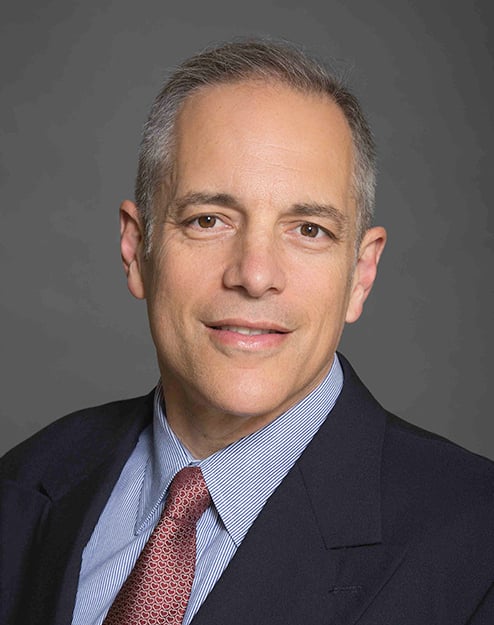
Elazer Edelman, MD, PhD
Faculty Director, Hood Pediatric Innovation Hub | Edward J. Poitras Professor in Medical Engineering and Science
Massachusetts Institute of Technology
Dr. Edelman is the Edward J. Poitras Professor in Medical Engineering and Science at MIT, where he directs the Center for Clinical and Translational Research, and is the Faculty Director of the Hood Pediatric Innovation Hub. He previously led the Institute for Medical Engineering and Science (IMES), and is Professor of Medicine at Harvard Medical School and a cardiac intensive care cardiologist at Brigham and Women’s Hospital.
Beginning with graduate work with Robert Langer on the mathematics of controlled drug delivery, his research has shaped stent-based drug delivery, mechanical organ support, percutaneous heart valves, and engineered endothelial cell therapies. Over 420 students and fellows have trained in his laboratory, which has produced more than 900 articles and over 100 patents. A member of the National Academy of Medicine, National Academy of Engineering, and National Academy of Inventors, he is Chief Scientific Advisor of Science Translational Medicine.
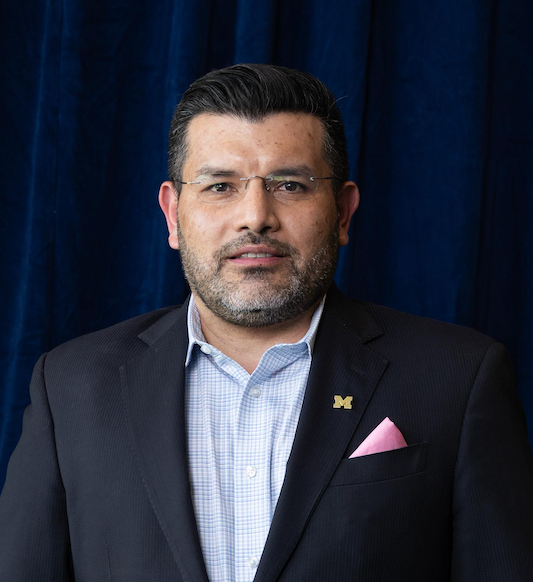
Alvaro Rojas-Peña, MD
Research Associate Professor, Department of Surgery, Section of Transplantation
Director Robert H. Bartlett Extracorporeal Life Support Laboratory
University of Michigan
Dr. Rojas-Peña is an Associate Research Professor in the Section of Transplant Surgery at the University of Michigan and Director of the Robert H. Bartlett Extracorporeal Life Support (ECLS) Laboratory. His translational research bridges surgery, biomedical engineering, and cardiopulmonary pathophysiology, focusing on mechanical circulatory support, next-generation medical devices, and novel ex vivo organ preservation platforms to expand donor organ viability. An established principal investigator on multiple NIH R01 awards with over $20 million in collaborative funding, he also serves as a long-standing NIH study section reviewer. Dr. Rojas-Peña sits on the Board of Trustees for the American Society for Artificial Internal Organs (ASAIO) and serves as an ASAIO Fellow. A dedicated mentor to more than 500 trainees across surgical and engineering disciplines, he is committed to advancing inclusive leadership and translational innovation in cardiopulmonary critical care.
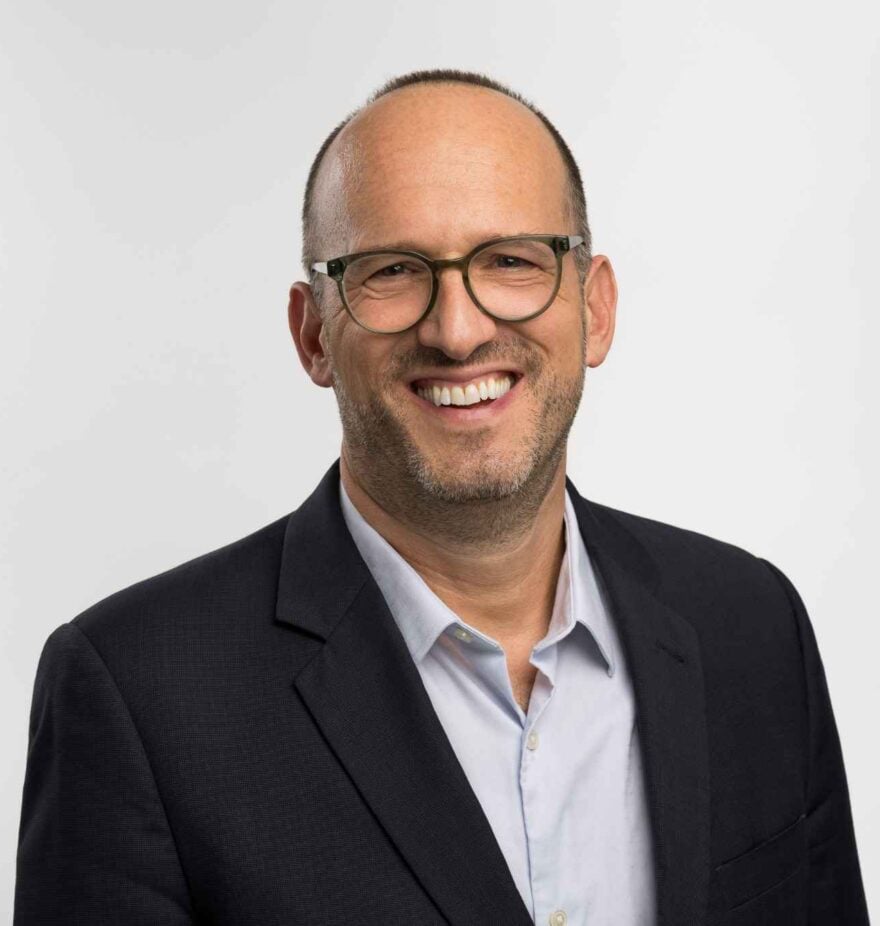
Orin Herskowitz
President
Mussallem CHD Alliance
Orin Herskowitz is the President of the Mussallem CHD Alliance (MCA), a private foundation which champions solutions for people born with heart defects so they can survive and thrive. We are driving systems-level change to improve patient care through our work in innovation, advocacy and community empowerment. The Alliance is the flagship initiative of the Linda and Mike Mussallem Foundation.
Learn more here: https://mussallemchdalliance.org/
Prior to joining the Alliance, Orin served as Senior Vice President of Applied Innovation at Columbia University, where he led initiatives spanning innovation, entrepreneurship, technology transfer, and science-based economic development. Orin has been deeply engaged in regional and national innovation efforts, including service with the Center for American Entrepreneurship and the U.S. Department of Commerce’s National Advisory Council on Innovation and Entrepreneurship. He has also advised or partnered on innovation strategy with organizations such as the National Science Foundation, ARPA-H, Schmidt Futures, NYC Economic Development Corporation, NYS Empire State Development, the U.K. Parliament, and others.
Data to Bedside: AI and Machine Learning for Pediatric Care
How pediatric data becomes machine learning that reaches a child — and the infrastructure being built to share that data safely.
Michael Blum, MD
Co-founder and CEO, BeeKeeperAI
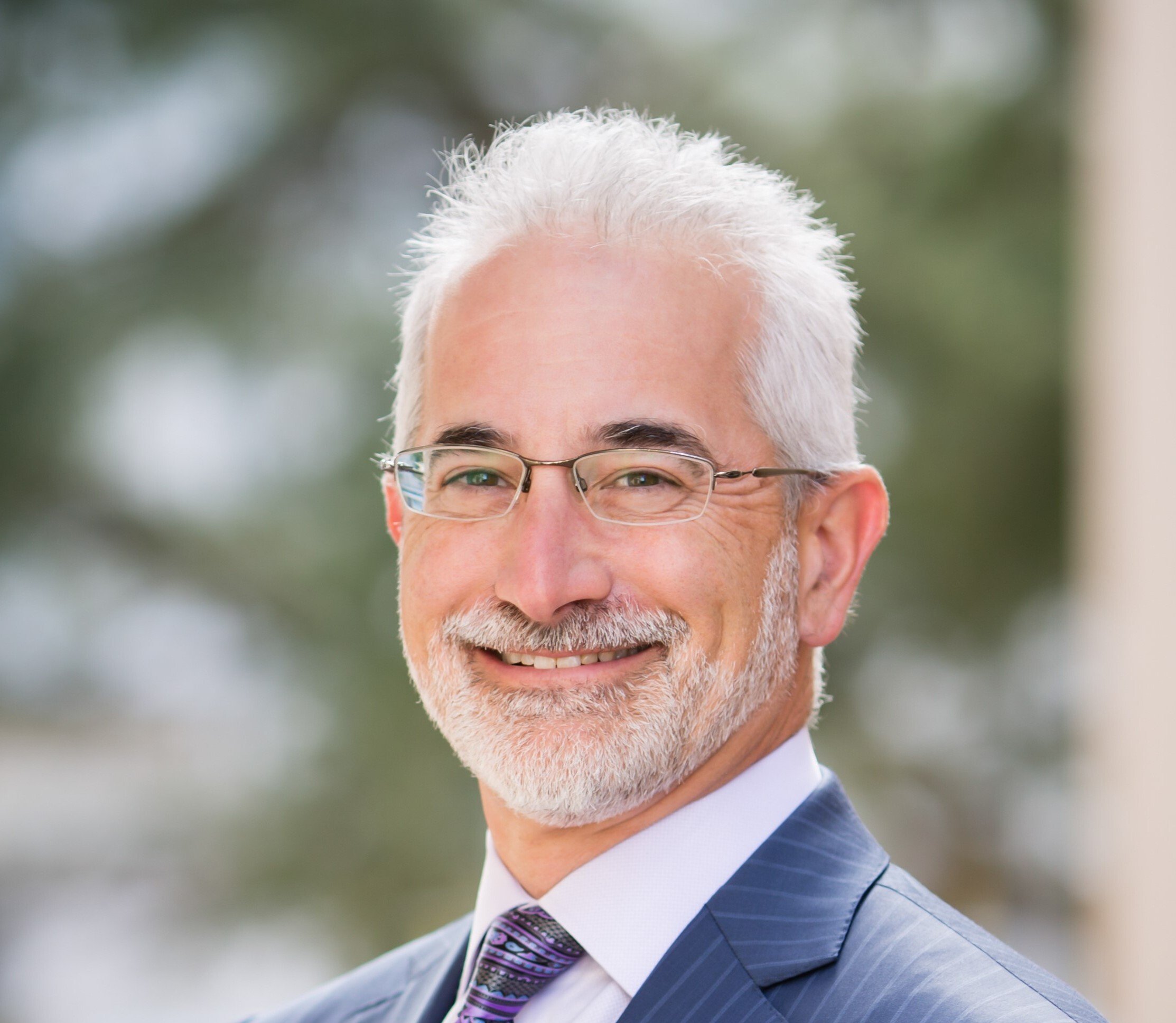
Dr. Michael Blum is the founding CEO of BeeKeeperAI, a UCSF spin-out dedicated to accelerating the safe and effective use of AI in healthcare. Dr. Blum is a cardiologist and innovator whose career has included both patient care and the advancement of healthcare technologies.
Prior to leading BeeKeeperAI, Dr. Blum was UCSF’s Chief Digital Transformation Officer and Associate Vice Chancellor for Informatics. Dr. Blum worked with UCSF leaders to improve clinical quality, safety, research, patient experience, and financial performance via data and AI initiatives. He was one of the original Chief Medical Information Officers, leading significant EHR deployments first at Yale and then UCSF. In 2010, Dr. Blum established the UCSF Center for Digital Health Innovation (CDHI), fostering collaborations with industry leaders and startups. CDHI's partnership with GE Healthcare created the first FDA-cleared on-device deployment of AI clinical decision support. Dr. Blum has advised healthcare technology companies across the globe.
Joseph J Frassica, MD, DDS
Executive Director, Hood Pediatric Innovation Hub | Professor of the Practice, Institute for Medical Engineering and Science, Massachusetts Institute of Technology
Staff, Pediatric Critical Care, Massachusetts General Hospital
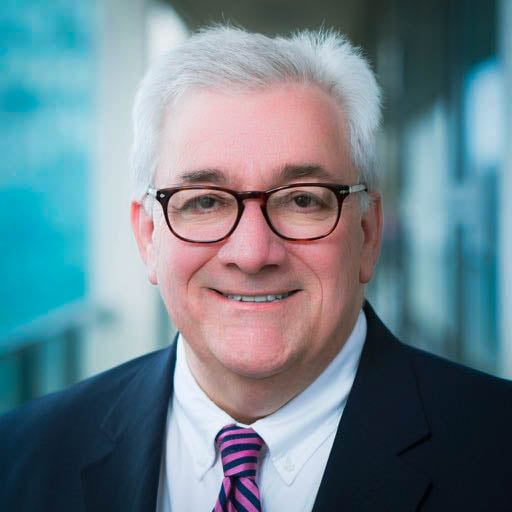
Joseph J. Frassica, MD, is Professor of the Practice at MIT’s Institute for Medical Engineering and Science and a member of the pediatric critical care staff at Massachusetts General Hospital. A pediatric intensivist and anesthesiologist, Dr. Frassica is Pediatric Editor of the Journal of Intensive Care Medicine, and his academic leadership roles include Chief Medical Officer of Holtz Children’s Hospital in Miami and Chief of Pediatric Critical Care at UMass Memorial.
He also held senior roles at Philips, most recently Head of Philips Research for the Americas and Chief Medical Officer for Philips North America, advancing patient monitoring, ventilators, and defibrillators. His Cambridge lab used large-scale clinical data to build AI/ML predictive models, clinical decision support, and genomic tools for hospital-acquired infection, several of which became products, including a health system command center and a real-time, cloud-based ICU analytics platform.
Adam DeLong, MD
Clinical Fellow in Pediatric Critical Care Medicine
MassGeneral Brigham for Children
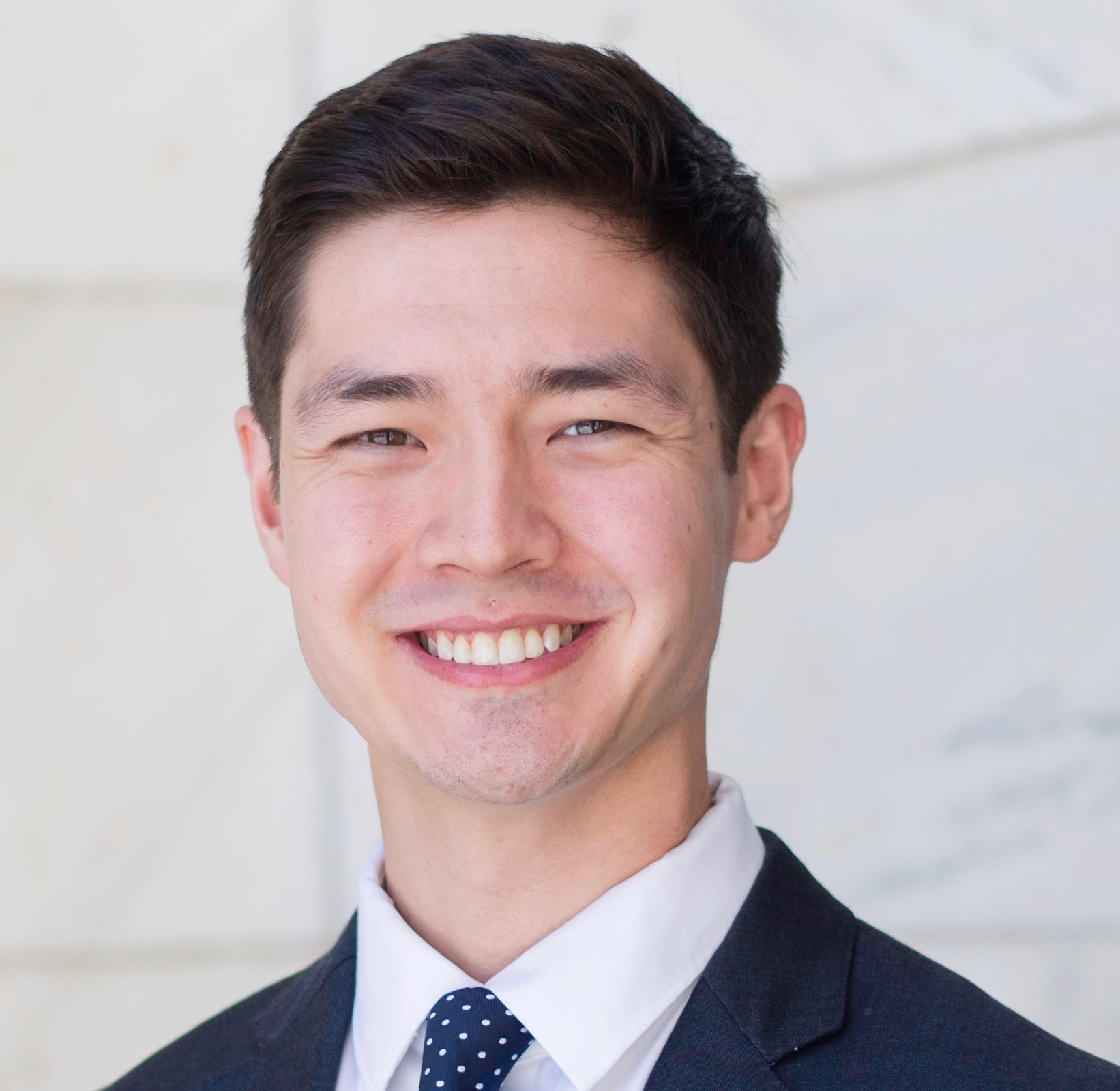
Dr. DeLong is a current 3rd year fellow in Pediatric Critical Care Medicine. Dr. DeLong completed residency in Pediatrics at Columbia University following medical school at Case Western Reserve University. Throughout training, he has been involved in a number of projects related to innovation in pediatric healthcare including the study of post-PICU follow-up clinics and work in the development of a novel low-cost ventilator intended for resource-limited settings.
LinkedIn Profile
Amar D. Mandavia, PhD, MA
Research Assistant Professor of Psychiatry, Boston University School of Medicine
Investigator, National Center for PTSD, Behavioral Science Division
As a clinical psychologist and informatician, Dr. Mandavia's research program critically focuses on improving the measurement, classification, and identification of phenotypes related to morbidity and mortality in psychiatric disorders. A secondary line develops AI-powered diagnostics and clinical decision-support systems to enhance care quality and access to evidence-based treatment. His entrepreneurial work addresses a persistent unmet need in pediatric mental health: the difficulty of accurately identifying youth at risk for developing psychosis, where timely detection can alter the long-term trajectory of illness. This work has been cultivated through the MIT Catalyst program and the NIDA-MIT Substance Use Disorder Ventures program, alongside related efforts in medication-assisted treatment for Opioid Use Disorder and suicide prevention for at-risk populations.
Dr. Mandavia earned his doctorate in clinical psychology from Teachers College, Columbia University, completing his predoctoral internship at Harvard Medical School.

Christopher (Kit) J. L. Newth, MD
Professor of Pediatrics and Anesthesiology, University of Southern California
Critical Care Medicine, Children’s Hospital Los Angeles
I attended Medical School in New Zealand. I have practiced Pediatric Critical Care for over 40 years, initially at the Hospital for Sick Children in Toronto where I did my residency and subsequently was on the Faculty of the University of Toronto. Subsequently, I was at the Cardiovascular Research Institute, University of California at San Francisco and Director of the PICU. I am currently an Attending Physician and Director of Research at Children’s Hospital Los Angeles and Professor of Pediatrics and Anesthesiology at the University of Southern California.
I am actively involved in National Institutes of Health (NIH) clinical research studies. My team and I also have active collaborations with Dr. Frassica at MIT and with Philips Healthcare in the fields of monitoring and algorithm development. My research interests include pulmonary physiology and particularly respiratory function testing while on ventilatory support, development of computer-based decision support tools for pediatric mechanical ventilation for application in Pediatric Acute Respiratory Distress Syndrome (PARDS) and the non-invasive diagnosis, assessment and management of both upper and lower airways obstruction.
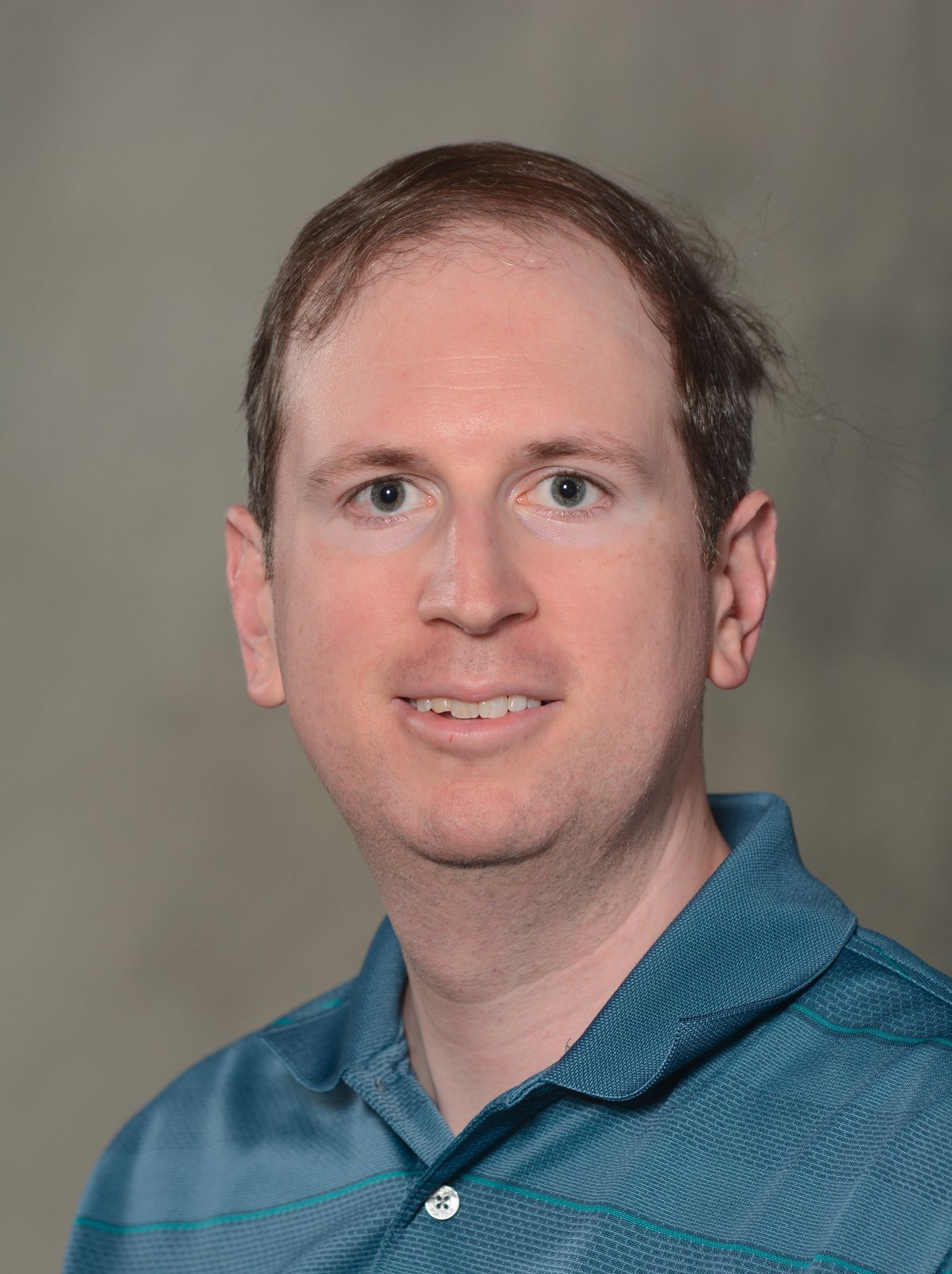
Jesse Raffa, PhD
Research Scientist and Biostatistician, MIT Critical Data, Institute for Medical Engineering and Science
Massachusetts Institute of Technology
Dr. Raffa is a Research Scientist and Biostatistician in the MIT Critical Data Lab at MIT’s Institute for Medical Engineering and Science. He has helped develop and release several of the most widely used publicly available critical care databases, including MIMIC and the eICU Collaborative Research Database. MIMIC alone has more than 30,000 credentialed researchers worldwide. His work spans the infrastructure that makes clinical data safe to share, including de-identification, privacy frameworks, and synthetic data, as well as the statistical methods that turn that data into reliable predictions. He is particularly interested in prediction in heterogeneous settings, where models must hold up across hospitals and patient populations. He led the development of GOSSIS, the Global Open Source Severity of Illness Score for adult critical care patients. His research has been recognized with a Silver Medal from the Society of Critical Care Medicine (2019) and a New Investigator Award (Clinical Track) from the Canadian Association for HIV Research (2004).
Dr. Raffa completed postdoctoral training in statistical genetics at the University of Washington, after earning his PhD in Statistics from the University of Waterloo.
The Convergent Cord: Funding Pediatric Ultra-Rare Disease as a Model for Innovation
Examining how healthcare policy shapes access and outcomes for children across the country.
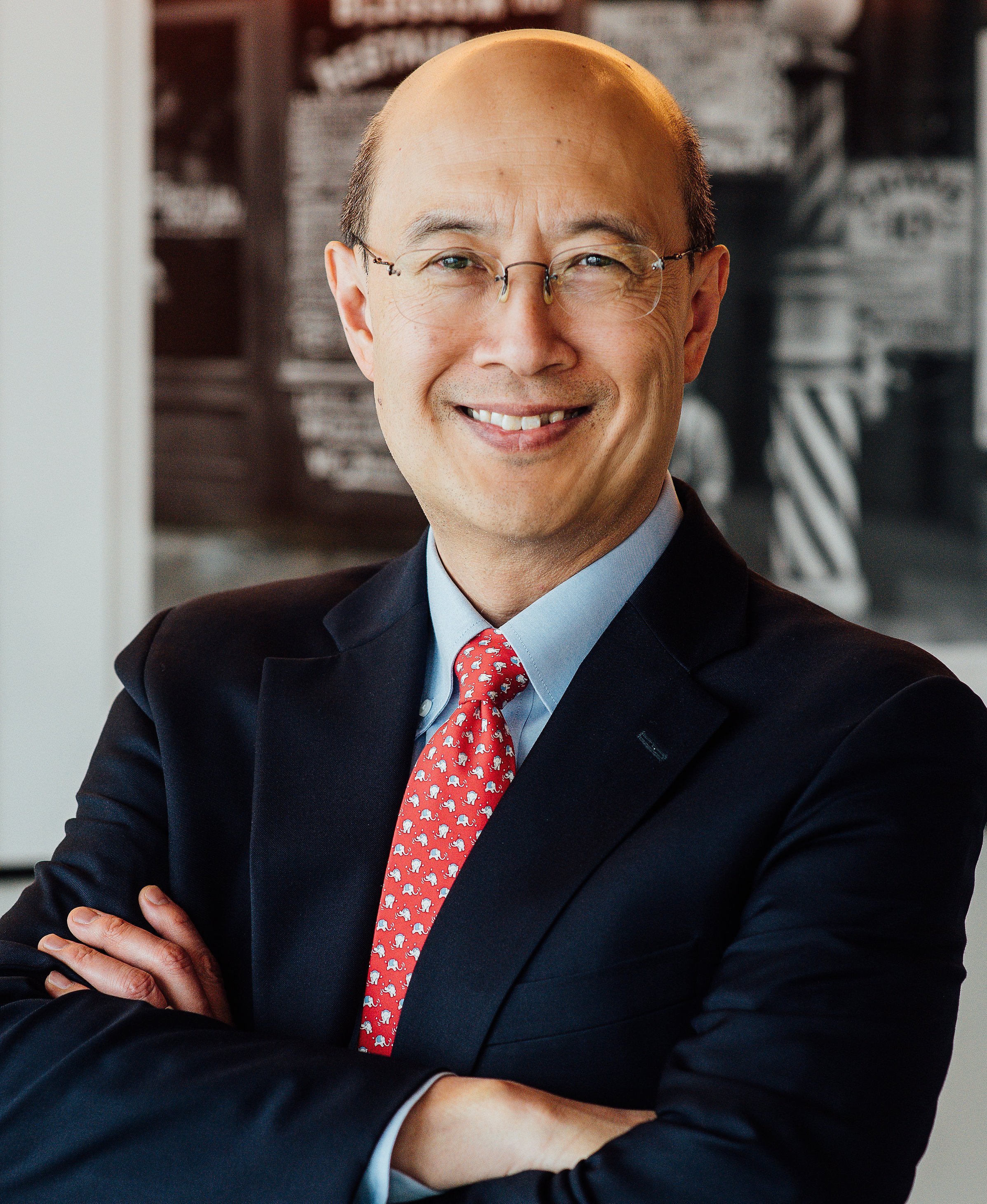
Andrew W. Lo
Charles E. and Susan T. Harris Professor, MIT Sloan School of Management, and Director, MIT Laboratory for Financial Engineering
Massachusetts Institute of Technology
Andrew W. Lo is the Charles E. and Susan T. Harris Professor at the MIT Sloan School of Management, director of MIT’s Laboratory for Financial Engineering, principal investigator at MIT's Computer Science and Artificial Intelligence Laboratory, and an affiliated faculty of the Department of Electrical Engineering and Computer Science. His healthcare-related research interests include: new financial engineering tools and business models for drug and device development and healthcare delivery, especially for rare and ultra-rare diseases; statistical methods for incorporating patient preferences into the drug approval process; predicting clinical trial outcomes via machine learning techniques; and novel reimbursement models for creating a robust gene and cell therapy ecosystem.
He is a co-founder and chairman of QLS Advisors and co-founder of QLS Technologies; a co-founder and director of BridgeBio Pharma, Tech Transferase, and Uncommon Cures; a director of Annual Reviews, Global Coalition for Adaptive Research (GCAR), n-Lorem Foundation, and Vesalius Therapeutics; a co-founder of and advisor to Quantile Health; and an advisor to several biotech companies.
Closing the Distance: Lessons from Rural Health
Stories and strategies from practitioners working to bring quality pediatric care to rural and underserved communities.
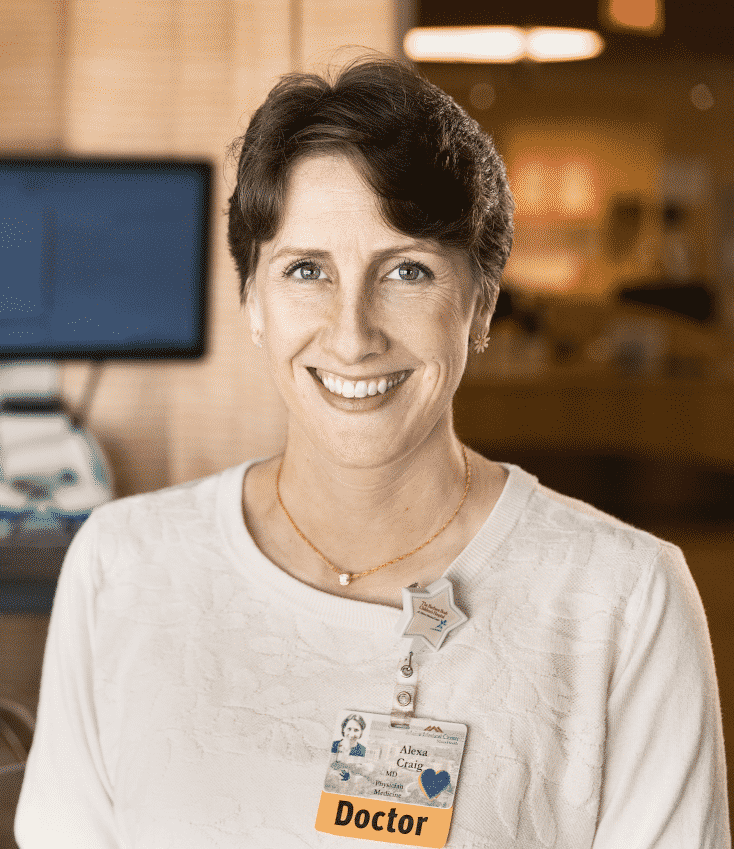
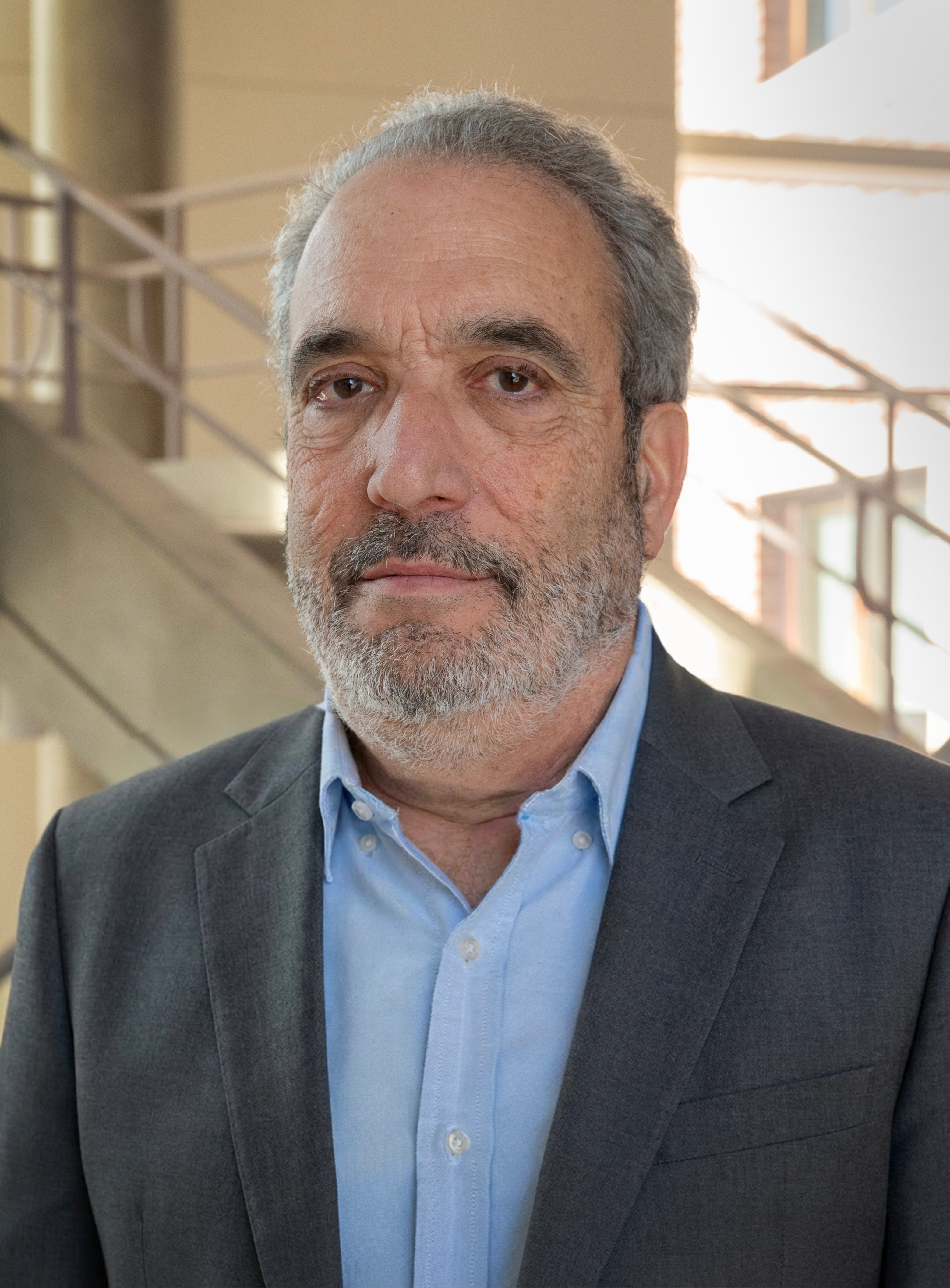
Alexa Craig, MD, MSc, MS
Neonatal and Pediatric Neurologist, Maine Medical Center and Maine Medical Partners
Director, Barbara Bush Children’s Hospital Scholarship Academy
Bio coming soon
Ana Jaklenec, PhD
Principal Investigator at the Koch Institute for Integrative Cancer Research
Massachusetts Institute of Technology
Dr. Ana Jaklenec, a Principal Investigator at the David H. Koch Institute for Integrative Cancer Research at MIT, is a leader in the fields of bioengineering and materials science, focused on controlled delivery and stability of therapeutics for global health. She has over 20 years of experience and has supervised more than 75 pre- and postdoctoral students. She is an inventor of several drug delivery technologies that have the potential to enable access to medical care globally. The Jaklenec lab at the Koch Institute is developing new manufacturing techniques for the design of materials at the nano-and micro-scale for self-boosting vaccines, 3D printed on-demand microneedles, heat-stable polymer-based carriers for oral delivery of micronutrients and probiotics, and long-term drug delivery systems for cancer immunotherapy. She has published over 160 manuscripts, patents, and patent applications and has founded three successful companies, Particles for Humanity, VitaKey, and OmniPulse Biosciences. She is the recipient of the NIH NRSA award and is an elected fellow of the National Academy of Inventors, the American Institute of Medical and Biological Engineering, and the Controlled Release Society.
Robert Sege, MD, PhD
Principal Investigator, Health Equity, Hood Pediatric Innovation Hub, Massachusetts Institute of Technology
Professor of Medicine and Pediatrics | Director, Center for Community-Engaged Medicine at the Institute for Clinical Research and Health Policy Studies, Tufts University School of Medicine
Robert Sege, MD, PhD, leads the Health Equity pillar of the Hood Pediatric Innovation Hub and is Professor of Medicine and Pediatrics at Tufts University School of Medicine, where he directs the Center for Community-Engaged Medicine at the Institute for Clinical Research and Health Policy Studies. Dr. Sege is nationally known for developing health systems approaches to improving the health of children and families. He is a Senior Fellow at the Center for the Study of Social Policy and serves on the boards of the Massachusetts Children’s Trust and Prevent Child Abuse America. He has also served on national committees for the American Academy of Pediatrics and the US Centers for Disease Control and Prevention. A graduate of Yale College, he earned his PhD at MIT and his MD at Harvard Medical School.